
Dental Sealants
We all want to keep our teeth cavity-free for life. While brushing and flossing are the heavy lifters of oral hygiene, sometimes our teeth need a little extra defence. This is especially true for molars—those back teeth with deep grooves and uneven surfaces where food and bacteria love to hide. Enter dental sealants: a simple, painless, and highly effective safety net for your smile.
Whether you are a parent looking to protect your child’s new permanent teeth or an adult wanting to minimize decay risk, dental sealants offer a powerful layer of protection.
What Are Dental Sealants?
A dental sealant is a thin, resin coating painted on the chewing surfaces of teeth. It is usually placed on the back teeth (the premolars and molars). These teeth have rough, uneven surfaces with small depressions called pits and fissures. Because toothbrush bristles can’t always reach into these tiny crevices, leftover food and bacteria can easily get stuck, which may lead to decay.
The sealant quickly forms a protective shield over the enamel of each tooth. By “sealing out” food and plaque, sealants significantly reduce the risk of cavities in these decay-prone areas.
The Clear Benefits of Sealants
The primary job of a sealant is prevention, but the benefits go beyond just blocking bacteria.
- Significant Cavity Reduction: According to the Centres for Disease Control and Prevention (CDC), sealants protect against 80% of cavities for two years and continue to protect against 50% of cavities for up to four years.
- Cost-Effective: By preventing decay, you avoid the need for fillings, crowns, or root canals later on. It’s a small upfront investment that saves money on restorative work down the line.
- Invisible Protection: Sealants can be clear, white, or slightly tinted. In most cases, they are virtually invisible when you talk or smile.
- Painless Application: There are no drills and no shots involved. The process is completely non-invasive.
Who Should Get Sealants?
While sealants are most commonly associated with children and teenagers, they aren’t just for kids.
- Children: The best time to apply sealants is as soon as the permanent molars come in—usually around age 6 for the first set and age 12 for the second set. Protecting these teeth early keeps them cavity-free during the cavity-prone years of childhood.
- Adults: If you are an adult without fillings or decay in your molars, you can also benefit from sealants. They are a great option for adults with deep tooth grooves or a history of frequent cavities.
The Application Process: Quick and Easy
The application process is incredibly simple and completely painless. No drilling or numbing agents are required. Here is what typically happens during a visit:
- Cleaning: To remove any plaque or food debris, the teeth to be sealed are thoroughly cleaned.
- Drying: Cotton or another absorbent material is placed around each tooth to keep it dry.
- Etching: An acid solution is put on the chewing surfaces of the teeth to roughen them up, which helps the sealant bond to the teeth.
- Rinsing and Drying: The teeth are rinsed and dried again.
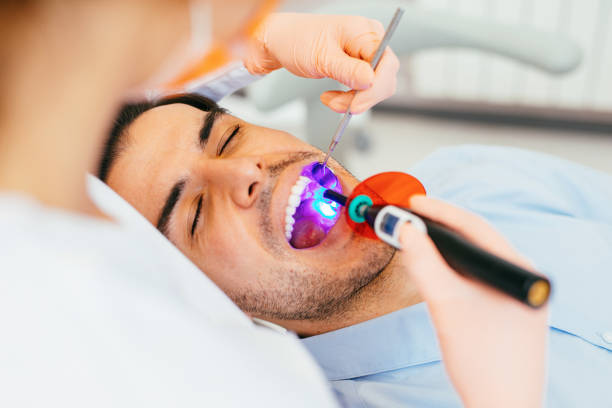
- Painting: The sealant is painted onto the tooth enamel, where it bonds directly to the tooth and hardens. Sometimes a special curing light is used to help the sealant harden faster.
The entire process usually takes only a few minutes per tooth.
Maintaining Your Sealants
Once your sealants are in place, they require no special changes to your routine. However, you do need to take care of them to ensure they last. Sealants can protect teeth for up to 10 years, but they need to be checked at regular dental exams to make sure they haven’t chipped or worn away.
- Keep Brushing and Flossing: Sealants only protect the chewing surfaces. You still need to brush twice a day and floss daily to protect the sides of your teeth and the areas between them.
- Watch Your Diet: While sealants are durable, chewing on ice or hard candy can break or dislodge them. Sticky, chewy foods like caramel can also pull at the sealant material.
- Regular Check-ups: During your routine cleaning, your dentist will check the condition of the sealants and can reapply them if necessary.
Dental sealants are a smart, proactive step toward a healthier mouth. By covering the most vulnerable areas of your teeth, you can smile confidently knowing you have an extra layer of defence against decay.