
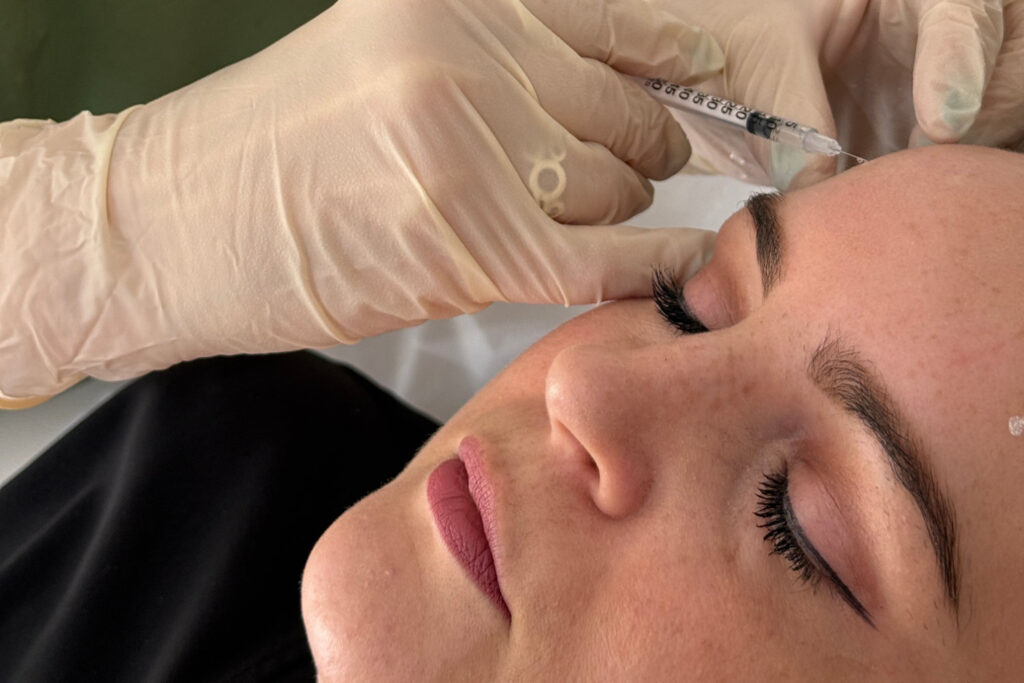
Anti-Wrinkle Treatments
Hearing that you have a deep cavity or a cracked tooth can be worrying. For many years, the common solution for severe decay that reaches the nerve has been root canal treatment. While root canals are effective, they involve removing the living tissue inside the tooth, which leaves it “dead” and often makes it more brittle.
But dentistry has changed. There is now a greater emphasis on treatments that aim to preserve your natural tooth structure instead of removing it. One exciting development in this area is Vital Pulp Therapy (VPT).
If your dentist has suggested you need extensive dental work, or if your child has a tooth injury, learning about this therapy might help save a tooth that could otherwise be lost or damaged.
The Dental Advantage: Anatomy and Precision
To inject anti-wrinkle solutions safely and effectively, a practitioner needs a deep understanding of where every nerve, blood vessel, and muscle is located in the face. This isn’t just a weekend course for dentists; it is the foundation of their entire medical training.
Dentists perform delicate procedures in small, hard-to-reach areas every single day. They are masters of the handheld instrument. When you get a filling or a root canal, the dentist is working with millimetre er-perfect precision. This same dexterity translates perfectly to facial aesthetics. The steady hand required to fix a molar is the same steady hand that ensures your anti-wrinkle treatment is placed exactly where it needs to be for natural-looking results.
Furthermore, dentists are experts in pain management. They are trained to make injections as comfortable as possible—a skill anyone nervous about needles will appreciate.
How Anti-Wrinkle Treatments Work
It’s easy to get confused by the science, but the concept is actually quite straightforward. Over time, the muscles in our face contract repeatedly to form expressions—smiling, frowning, squinting. Eventually, these repeated movements cause lines to etch into the skin.
Anti-wrinkle injections use a purified protein that temporarily relaxes specific facial muscles. By preventing these muscles from contracting too harshly, the skin over them relaxes and smoothes out.
The goal isn’t to freeze your face or remove your ability to express emotion. When done correctly by a skilled professional, the treatment simply softens existing lines and prevents new ones from deepening. You’ll still look like you—just a more rested, refreshed version.
Beyond Vanity: The Therapeutic Benefits
While many patients seek these treatments for cosmetic reasons, there is a functional side that fits perfectly into dental care. Anti-wrinkle injections are often used to treat conditions related to the jaw and teeth grinding.
Treating TMJ and Bruxism
If you suffer from Temporomandibular Joint (TMJ) disorders or bruxism (teeth grinding), you know the pain can be debilitating. It often leads to chronic headaches, jaw tension, and worn-down teeth.
By injecting muscle relaxants into the masseter muscles (the large muscles used for chewing), dentists can significantly reduce the tension in the jaw. This doesn’t affect your ability to eat or speak, but it stops the subconscious, powerful grinding that happens, particularly while you sleep. For many patients, this provides relief that night guards alone cannot achieve.
Common Areas for Treatment
When you book a consultation, your dentist will look at your face as a whole to determine which areas will best enhance your smile. Common treatment areas include:
- Forehead Lines: The horizontal lines that appear when you raise your eyebrows.
- Frown Lines: The “11s” that appear between your eyebrows when you concentrate or scowl.
- Crow’s Feet: The fine lines that fan out from the corners of your eyes when you smile.
- Gummy Smiles: If you feel you show too much gum tissue when you smile, a small injection can relax the upper lip, dropping it slightly to create a more balanced aesthetic.
What to Expect During Your Appointment
One of the biggest advantages of getting aesthetic treatments at the dentist is convenience. These appointments are often quick enough to be completed during a lunch break or tacked onto your regular six-month check-ups.cleaning.
The procedure typically takes 10 to 20 minutes. Your dentist will map out the injection sites and may apply a topical numbing cream to ensure comfort, though many patients find the sensation is just a tiny pinch.
There is virtually no downtime. You can go back to work or run errands immediately afterward. You might see tiny red bumps at the injection sites, but these usually disappear within an hour. The results aren’t instant; you will typically start to see the smoothing effect within 3 to 5 days, with full results visible after two weeks.
Frequently Asked Questions
How long do the results last?
Most anti-wrinkle treatments last between three and four months. As the muscle action gradually returns, the lines and wrinkles will begin to reappear and need to be treated again. However, with regular treatment, the muscles can “learn” to relax, meaning you might need less frequent touch-ups over time.
Is it safe?
Yes, when administered by a trained medical professional, anti-wrinkle injections have an excellent safety profile. They have been used for cosmetic and medical purposes for decades.
Will I look “done”?
This is a common fear, but a skilled dentist prioritizes a natural look. The “frozen” look usually comes from over-treatment. Dentists understand the balance of facial aesthetics and aim for subtle rejuvenation rather than drastic alteration.
Framing Your Best Smile
A beautiful smile is about more than just straight, white teeth. It’s about how those teeth fit within the context of your face. By combining dental expertise with aesthetic treatments, you can achieve a harmonious look that boosts your confidence.
If you are interested in smoothing out fine lines or finding relief from jaw tension, don’t hesitate to ask us during your next visit. You are already in the hands of a facial anatomy expert—why not take full advantage of their skills?