

Dental Bridges
A missing tooth can affect more than just your appearance. It can impact your ability to chew properly, cause surrounding teeth to shift, and even affect your speech. Fortunately, modern dentistry offers excellent solutions to restore both function and aesthetics. One of the most reliable and time-tested options is a dental bridge.
What Exactly is a Dental Bridge?
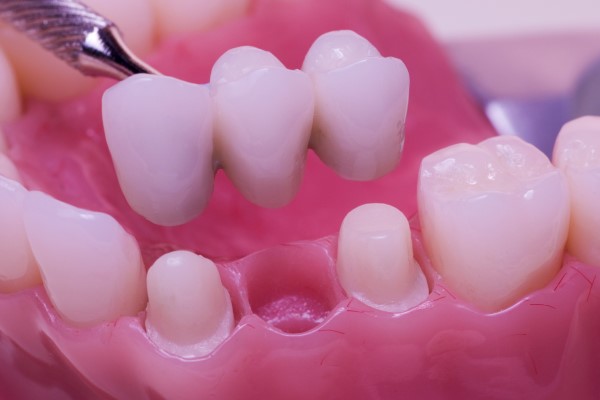
A dental bridge is a custom-made prosthetic designed to “bridge” the gap created by missing teeth. It typically consists of two main parts: the pontin and the abutments. The pontin is the artificial tooth that fills the empty space. The abutments are the supports for the bridge, which are usually dental crowns placed on the natural teeth or dental implants on either side of the gap.
Understanding your options is the first step toward regaining confidence in your smile. This guide will walk you through the different types of bridges, the procedure, and how to care for them so they last for years.
The Main Types of Dental Bridges
There are four main types of dental bridges available. Your dentist will help determine which option is best for your specific situation.
Traditional Bridges
This is the most common type of bridge. It involves creating a crown for the tooth or implant on either side of the missing tooth, with a pontin in between. Traditional bridges are usually made of either porcelain fused to metal or ceramics.
Cantilever Bridges
Cantilever bridges are used when there are adjacent teeth on only one side of the missing tooth or teeth. This is not very common any more and is not recommended in the back of the mouth, where it can put too much force on other teeth and damage them.
Adhesive Maryland Bonded Bridges
Also known as a resin-bonded bridge or a Maryland bridge, this type is made of porcelain, porcelain fused to metal, or plastic teeth supported by a metal or porcelain framework. Metal or porcelain wings on each side of the bridge are bonded to your existing teeth.
Implant-Supported Bridges
Considered one of the strongest and most stable system, implant-supported bridges use dental implants as opposed to crowns or frameworks. Typically, one implant is surgically placed for every missing tooth, and these implants hold the bridge in place. If placing one implant for every missing tooth isn’t possible, the bridge may have a poetic suspended between two implant-supported crowns.
The Main Types of Dental Bridges
Opting for a dental bridge offers several significant advantages for your oral health and confidence.
- Restores Your Smile: A bridge fills the visible gap, seamlessly blending in with your other teeth to create a complete, natural-looking smile.
- Improves Chewing and Speaking: Replacing a missing tooth can restore your ability to chew food properly and speak with clarity.
- Prevents Teeth from Shifting: When a tooth is lost, the neighbouring teeth can begin to drift into the empty space. This can lead to bite problems and other complications. A bridge holds the space, keeping your teeth in their proper alignment.
- Maintains Facial Structure: Missing teeth can lead to a sunken appearance in the face over time. A bridge helps support your lips and cheeks, preserving your natural facial shape.
The Process of Getting a Dental Bridge
Getting a dental bridge is a straightforward process that typically requires two visits to your dentist.
- The First Visit: Preparation: During your initial appointment, the abutment teeth are prepared. This involves reshaping these teeth to make room for the crowns that will anchor the bridge. Afterward, your dentist will take precise digital scans of your teeth. These scans are sent to a dental lab where your custom bridge, pontics, and crowns will be crafted. You’ll be fitted with a temporary bridge to protect the prepared teeth while you wait.
- The Second Visit: Placement: Once your permanent bridge is ready, you will return for your second appointment. Your dentist will remove the temporary bridge and check the fit and colour of the new one. After making any necessary adjustments to ensure a perfect fit and comfortable bite, the permanent bridge is cemented into place.
Caring for Your New Dental Bridge
The success of the bridge depends on the solid foundation offered by the surrounding teeth. Therefore, it’s very important to keep your remaining teeth healthy and strong.
- Brush and Floss Daily: Clean the bridge and the adjacent teeth every day to prevent tooth decay and gum disease. Special floss treaders can help you slide floss under the bridge.
- Watch Your Diet: Avoid chewing on hard foods like ice or hard candy, which can damage the bridge.
- Regular Check-ups: You need to be regular for professional cleanings and exams.
A dental bridge is one of the best ways to get your smile back. If you have a missing tooth, we are here for you to provide a reliable solution that is the right choice for you.