
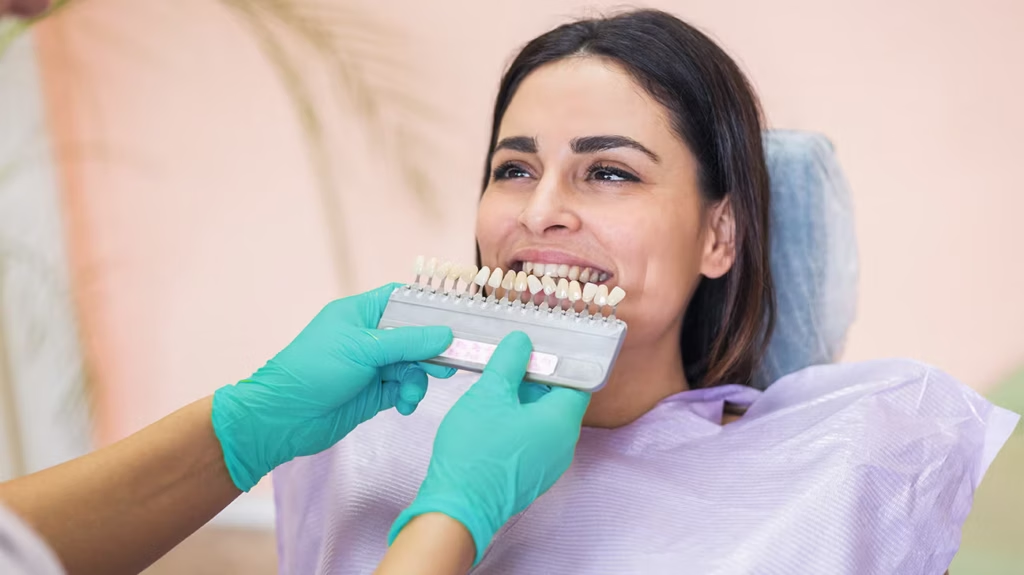
Dental Crowns
When a tooth is damaged or decayed, it can affect everything from your confidence to your ability to enjoy your favourite foods. While fillings are great for minor repairs, sometimes a tooth needs more substantial support. This is where dental crowns come in—a versatile and durable solution that can save a compromised tooth and restore your smile’s natural beauty.
What Is a Dental Crown?
A dental crown is a common and effective way to restore a tooth’s shape, size, strength, and appearance. It is a custom-fitted cap that covers the entire visible portion of a tooth, right down to the gum line.
Types of Dental Crowns
Crowns can be made from various materials, and the best option will be recommended based on the tooth’s location, function, and your personal preference.
1. Porcelain or Ceramic
Crowns made entirely of porcelain or ceramic offer the closest colour match to your neighbouring teeth. They are an excellent choice for front teeth, where appearance is a top priority. However, they may not be as strong as metal crowns and can be more prone to wearing down opposing teeth.
2. Porcelain-Fused-to-Metal (PFM)
These crowns offer a combination of strength and aesthetics. A metal substructure provides durability, while a porcelain layer on top is matched to your tooth colour. The main disadvantage is that the metal underlying the porcelain can sometimes show as a dark line at the gum line, especially if your gums recede.
3. Gold and Metal Alloys
Crowns made from gold alloys, palladium, or base-metal alloys are incredibly strong and less prone to breaking. They are gentle on opposing teeth and require less of your natural tooth structure to be removed. Because of their metallic colour, they are most often used for molars in the back of the mouth.
4. All-Resin
Resin crowns are the most affordable option, but they are also the least durable. They are more likely to wear down over time and are more prone to fractures than other types of crowns. They are often used as a temporary solution while a permanent crown is being made.
Why You Might Need a Crown
Crowns are flexible and can fix problems with both the look and the structure of your teeth.
Some common reasons people get dental crowns are:
- Restoring a broken or severely worn-down teeth: If a tooth is cracked or missing a large piece, a crown can hold it together and make it look like it did before.
- Covering and supporting a tooth with a large filling: When a cavity is too big for a regular filling, a crown gives the tooth the support it needs to stay together.
- Protecting a weak tooth from fracturing: Teeth that have had a root canal are often more likely to break easily. A crown can keep these teeth from getting hurt again.
- Holding a dental bridge in place: In traditional dental bridges, crowns are put on the teeth next to a gap to hold the bridge in place.
- Covering a dental implant: The last piece that is placed on a dental implant is the crown, which makes a replacement tooth that works and looks natural.
- Improving the appearance of a discoloured or misshapen tooth: For cosmetic reasons, a crown can make a tooth that doesn’t match the rest of your smile look a lot better by covering it.
The Process: What to Expect
Getting a dental crown typically requires two visits
First Visit: Preparation and Impressions
During your first visit, we will examine and prepare the tooth. This could mean getting X-rays to look at the tooth’s roots and the surrounding bone. The enamel will then be filed down to make room for the crown, which will change the shape of the tooth.
After the tooth is reshaped, a digital scan is taken of it. The dental lab will use this scan as a guide to make your permanent crown. When the tooth is ready, a temporary crown will be placed over it to protect it while the permanent one is being made. This usually takes two to three weeks.
Second Visit: Placing the Permanent Crown
The temporary crown is taken off at your second visit. Afterward, the crown’s fit and colour will be checked. The new crown is permanently cemented in place if everything looks good.
Caring for Your Crown
One of the best things about dental crowns is that they look and function like natural teeth. However, they still require care to ensure they last. While the crown itself cannot decay, the natural tooth underneath still can, especially at the gum line.
With proper maintenance, a dental crown can last for between five and 15 years. The success of a crown depends on proper oral hygiene and avoiding habits that could damage it.
- Practice Good Oral Hygiene: Brush your teeth twice a day and floss daily. You need to pay special attention to the area where the gum meets the crown. This helps prevent decay and gum disease.
- Avoid Hard Foods: Avoid chewing on hard items like ice or hard candy, which can damage your crown.
- Address Teeth Grinding: If you grind or squeeze your teeth at night, a night guard will be recommended to protect your crown and natural teeth.
- Brush and Floss Daily: Treat your crown like a natural tooth. Brush twice a day and floss daily to remove plaque from the area where the crown meets the gum.
- Avoid Hard Foods: Chewing on ice, hard candy, or non-food items like pens can chip porcelain crowns just as it can chip natural enamel.
- Wear a Night guard: If you grind your teeth at night (bruxism), ask your dentist about a custom Night guard to protect your crown from excessive force.
- Regular Check-ups: Routine exams allow your dentist to check the integrity of the crown and the health of the surrounding gum tissue.
A dental crown is an investment in your oral health that can last for many years, providing strength, protection, and a natural look. If you think you might benefit from this treatment, schedule a consultation to discuss your options.