
Inlays Onlays
When it comes to fixing a damaged tooth, most people are familiar with two main options: a simple filling for a small cavity or a crown for extensive damage. But what happens when your teeth falls somewhere in between? If a cavity is too large for a standard filling, but the tooth structure isn’t compromised enough to warrant a full crown, there is an ideal “middle ground” solution: inlays and onlays.
These custom-made restorations offer a conservative yet durable way to repair teeth, preserving as much of your natural tooth structure as possible. If your dentist has recommended an inlay or onlay, understanding exactly what they are can help you feel confident in your treatment plan.
What Exactly Are Inlays and Onlays?
When a tooth has decay or a minor fracture, we need to restore its strength and shape. Inlays and onlays are restorations crafted from a solid piece of material, like porcelain or composite resin, in a dental lab. They are then securely bonded to your tooth here in our practice.
Inlays: These fit within the cusps on the chewing surface of your tooth. They are a great choice when the damage is contained within the central part of the tooth.
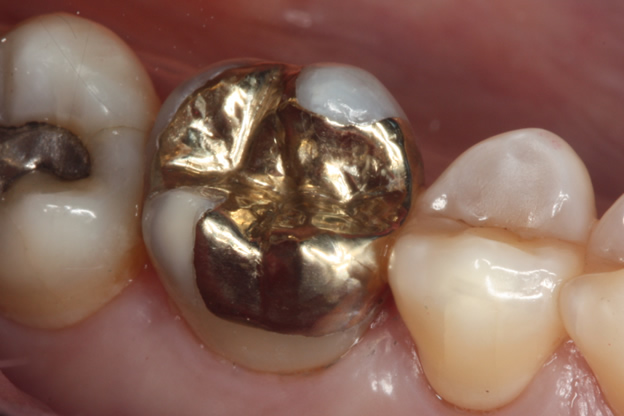
Onlays: These are a bit larger, and one or more of the tooth’s cusps are covered with them. An onlay is the best option when the damage extends over the edges of the tooth. Onlays are more like a partial crown. They offer more strength than a filling and require less removal of your natural tooth structure than a full crown.
Why Choose an Inlay or Onlay?
Onlays are loved by patients because they provide a long-term solution that looks completely natural.
Key benefits include:
Exceptional Strength: Inlays and onlays are made from a single block of high-quality material. They are incredibly durable. They can strengthen a damaged tooth.
The Perfect Fit: We do detailed digital scans of your tooth and customise these restorations for you. This seals out harmful bacteria and helps protect your smile.
Saving Your Natural Tooth: Only damaged parts are taken care of with inlays and onlays, so the rest of your tooth stays strong and intact.
Looks Just Like Your Own Tooth: The material is carefully matched to the natural shade of your teeth. Once it’s in place, your restoration will blend in so well that you won’t even notice it’s there.
Let’s break it down simply to figure out which option is best for your tooth:
We use fillings for smaller cavities, while inlays and onlays are perfect for damage bigger than a small cavity. A crown is perfect for more extensively damaged teeth. Teeth that have recently required root canal treatment are usually best protected with a crown or onlay.
When you come in, we’ll have a look at your tooth, talk it through with you, and figure out the best option for a long-lasting result that works for you
Could an Inlay or Onlay Be Right for You?
An inlay or onlay is the best solution, whether you want to replace an old metal filling or have a cavity that needs a bit more attention. We’re here to give you the best options in a relaxed, no-pressure environment, helping you feel great about your smile again.