
Oral Cancer Screening
When you visit the dentist, you probably expect a cleaning, a check for cavities, and maybe some advice on flossing. But there is another crucial part of your dental visit that often goes unnoticed: the oral cancer screening. It takes only a few minutes, is completely painless, and could save your life.
Oral cancer is a serious condition that affects thousands of people every year. While the thought of cancer is scary, the good news is that early detection significantly improves the chances of successful treatment. This is why regular screenings are so important. By understanding what an oral cancer screening involves and why it matters, you can take a proactive step toward protecting your long-term health.
What Is Oral Cancer?
Oral cancer includes cancers of the mouth and the back of the throat. It can develop on the tongue, the tissue lining the mouth and gums, under the tongue, the base of the tongue, and the area of the throat at the back of the mouth.
Historically, oral cancer was most commonly associated with heavy smokers and drinkers over the age of 50. While tobacco and alcohol use remain significant risk factors, the face of oral cancer is changing. In recent years, there has been a rise in cases among younger, non-smoking individuals, often linked to the human papillomavirus (HPV). This shift means that everyone, regardless of age or lifestyle habits, should be vigilant about their oral health.
What Happens During a Screening?
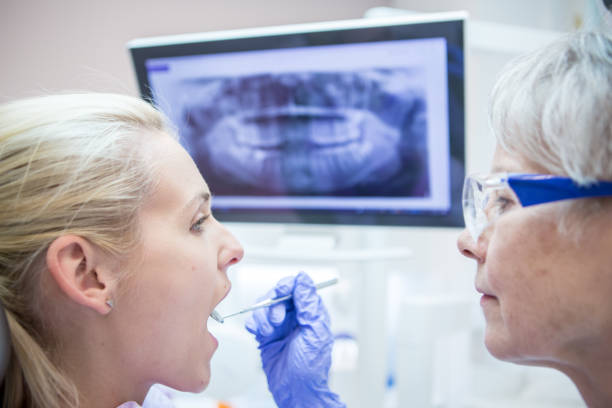
One of the reasons patients sometimes overlook oral cancer screenings is that they are quick and non-invasive. Your dentist often performs this exam during your routine check-up.
Visual Exam
Your dentist will look over the inside of your mouth to check for red or white patches or mouth sores. They will also examine your tongue, checking both the top and the underside, as well as the roof and floor of your mouth.
Physical Exam
Using gloved hands, your dentist will feel the tissues in your mouth to check for lumps or other abnormalities. They may also feel your neck and jaw area to check for swollen lymph nodes, which can sometimes be a sign of illness or other health issues.
If your dentist finds something unusual, it doesn’t automatically mean you have cancer. Many oral abnormalities are benign. However, your dentist may recommend a follow-up visit to see if the area heals on its own or suggest a biopsy to determine exactly what is going on.
Signs and Symptoms to Watch For
While your dentist plays a key role in detection, you know your body best. Between visits, it is helpful to be aware of the potential signs of oral cancer. If you notice any of the following symptoms persisting for more than two weeks, you should contact your dental professional:
- A sore or irritation that doesn’t go away
- Red or white patches
- Pain, tenderness, or numbness in the mouth or lips
- A lump, thickening, rough spot, crust, or small eroded area
- Difficulty chewing, swallowing, speaking, or moving your jaw or tongue
- A change in the way your teeth fit together when you close your mouth
Being proactive and monitoring your own health is a powerful tool in early detection.
The Importance of Early Detection
The survival rate for oral cancer is significantly higher when the disease is caught early. Unfortunately, oral cancer is often discovered in late stages because it can be painless initially and symptoms may be subtle. By the time noticeable symptoms arise, the cancer may have spread.
This is why routine dental visits are non-negotiable. Dentists are trained to spot the early warning signs that an untrained eye might miss. Regular screenings ensure that if something suspicious does develop, it is caught as soon as possible, when treatment is most effective and less invasive.
Reducing Your Risk
While you cannot control every factor, there are steps you can take to lower your risk of developing oral cancer:
- Avoid Tobacco: This includes cigarettes, cigars, pipes, and chewing tobacco.
- Limit Alcohol: Heavy alcohol use is a major risk factor, especially when combined with tobacco.
- Protect Your Lips: Use a lip balm with SPF when you are outdoors to protect against sun exposure.
- Eat a Healthy Diet: A diet rich in fruits and vegetables can help boost your immune system and protect your body against various diseases.
- Vaccination: Talk to your doctor about the HPV vaccine, which can protect against strains of the virus linked to oral cancers.
Take Charge of Your Oral Health
Your oral health is a window to your overall well-being. An oral cancer screening is a simple, quick, and vital part of your healthcare routine. It offers peace of mind and ensures that you are doing everything you can to stay healthy.
If it has been a while since your last dental check-up, or if you have any concerns about spots or sores in your mouth, don’t wait. Schedule an appointment today.