
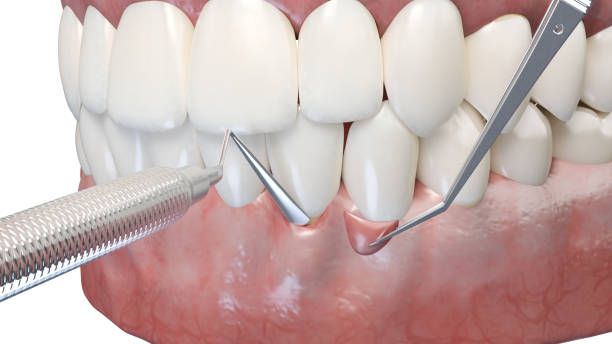
Periodontal Therapy (Deep Cleaning)
Have you recently visited the dentist only to be told you need a “deep cleaning”? If so, you aren’t alone. While many patients are familiar with the standard cleaning they receive every six months, fewer understand the purpose and process of periodontal therapy.
Hearing that you need a specialised procedure can spark anxiety, but periodontal therapy is a standard, highly effective treatment designed to fight gum disease and save your teeth. It is the first line of defence against periodontitis, a serious gum infection that damages the soft tissue and, without treatment, can destroy the bone that supports your teeth.
Understanding what happens during this procedure can help alleviate your fears and prepare you for a healthier smile.
It’s More Than Just a Cleaning
To understand periodontal therapy, you first need to understand the difference between a “regular” cleaning (prophylaxis) and a “deep” cleaning.
A standard cleaning focuses on the crowns of the teeth—the part you can see above the gum line. It is a preventative measure designed for people who generally have healthy gums.
Periodontal therapy, often known as Scaling and Root Surface Debridement (RSD), is a treatment. It is prescribed when bacteria have invaded below the gum line. When plaque is left on teeth, it hardens into tartar (calculus). The bacteria in this tartar release toxins that irritate the gums, causing them to pull away from the teeth. This separation creates “pockets.”
When these pockets become too deep (typically 4 millimetres or more), your toothbrush and floss can no longer reach the bacteria inside them. This is when a deep cleaning becomes necessary.
The Procedure: What is Scaling and Root Planing?
Periodontal therapy involves removing the source of the infection and creating a clean surface for your gums to reattach to the teeth. The process is broken down into two main steps:
1. Scaling
During the scaling phase, your dental hygienist removes plaque and tartar from below the gum line, reaching all the way down to the bottom of the pocket. This is done using specialised manual instruments or an ultrasonic device that uses vibration and water to flush out bacteria.
2. Root Surface Debridement
The second step addresses the tooth root itself. The root surface is often rough or irregular, which makes it easy for bacteria to hide. Root surface debridement involves cleaning the root surfaces. By removing bacterial toxins located here, the gums can heal and reattach more firmly to the tooth, effectively shrinking the pockets.
Will It Hurt?
Patient comfort is a top priority during periodontal therapy. Because the hygienist is working below the gum line in sensitive areas, a local anaesthetic is almost always used to numb the area. This ensures you feel no pain during the procedure.
Depending on the severity of the infection and the depth of the pockets, your dentist might recommend treating one half of your mouth at a time over two separate visits. This allows for a more comfortable recovery and manageable appointment times.
The Connection to Your Overall Health
Treating gum disease isn’t just about saving your teeth; it’s about protecting your body. Extensive research has linked periodontal disease to systemic health issues. The inflammation and bacteria associated with gum disease have been connected to:
- Heart disease and stroke
- Diabetes complications
- Respiratory issues
- Adverse pregnancy outcomes
By undergoing periodontal therapy, you are taking a proactive step toward better overall wellness.
Recovery and Maintenance
After the anaesthesia wears off, you may experience some soreness or tooth sensitivity to cold temperatures for a few days. This is normal. Your gums are healing from an infection, and the inflammation is subsiding. Over-the-counter pain relievers and desensitising toothpaste usually help manage these temporary symptoms.
However, the treatment doesn’t end when you leave the chair. Periodontal therapy is a partnership between you and your dental team. Following the procedure, you will likely be placed on a “periodontal maintenance” schedule. This often means visiting the dentist every three to four months rather than every six. These frequent visits allow the dentist to monitor the pockets and ensure the bacteria haven’t returned.
Protecting Your Smile
Gum disease is a progressive condition, meaning it will not get better on its own. It requires intervention. While the term “deep cleaning” might sound intense, it is a non-surgical, conservative approach to restoring your oral health.
If your dentist has recommended periodontal therapy, it is because they want to stop the progression of bone loss and help you keep your natural teeth for a lifetime. Don’t let anxiety prevent you from getting the care you need.