
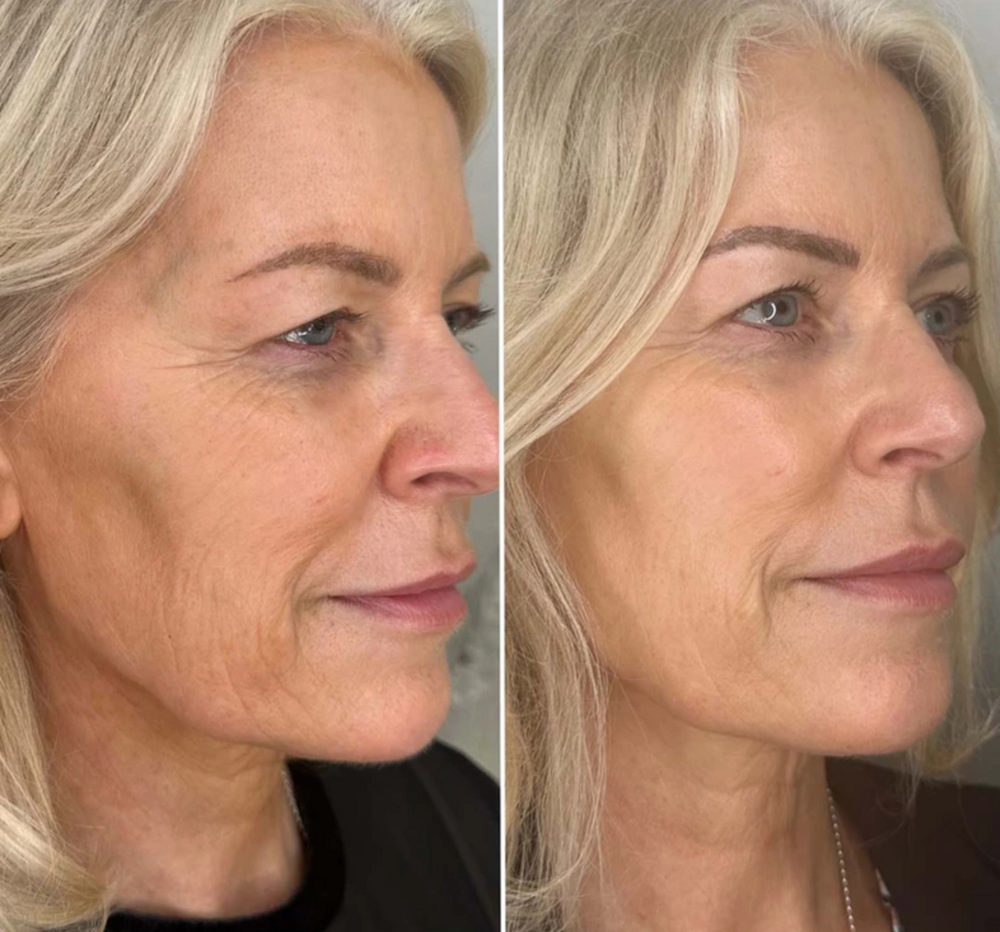
Polynucleotide
We all have those mornings. You look in the mirror after a full night’s sleep, but your face still looks tired. Maybe it’s the dark circles under your eyes that won’t go away, or your skin feels thinner and less bouncy than before.
For years, people turned to treatments like “fillers” or “anti-wrinkle” injections. While these can work well, they don’t always improve skin health. They address the symptoms of aging, but not always the cause.
This is where Polynucleotides (PNs) come in. This treatment changes how we approach facial aesthetics. It shifts the focus from adding artificial volume to helping the body heal itself. It’s not about changing your face; it is about telling your body to repair itself.
What Are Polynucleotides?
Let’s strip away the medical jargon. Polynucleotides are injectable bio-stimulators. Unlike fillers, which stay in the skin to add volume, PNs are designed to disappear. Their job is to communicate with your cells before they dissolve.
The main ingredient comes from carefully purified DNA fragments taken from salmon trout sperm. The purification process is strict, ensuring that any genetic material that could cause an immune reaction is removed. What you get is a strong solution that is very similar to human DNA.
When injected, these molecules signal to your fibroblasts, the cells that make collagen and elastin, to start repairing your skin. Essentially, you are telling your skin to take action and heal itself.
How Do They Work?
Aging skin is often just sleepy skin. As we get older, our cell turnover slows down, and our production of collagen (the protein that gives skin its structure) drops significantly.
Polynucleotides work on a cellular level to reverse this “slow down” through three main mechanisms:
- Stimulation: They kickstart fibroblast activity, leading to a surge in collagen and elastin production. This thickens and tightens the skin over time.
- Scavenging Free Radicals: PNs have a strong antioxidant effect, helping to protect your skin from environmental damage like pollution and UV rays.
- Deep Hydration: They attract water molecules, hydrating the skin from within and giving it a dewy, fresher appearance.
Why Your Dentist Is the Expert to Ask
You might be wondering why you would discuss skin quality with your dentist. The answer lies in anatomy.
Dentists are head and neck specialists. They spend years studying the intricate muscles, nerves, and blood vessels of the face. Modern dentistry often looks at the “whole picture”—not just the teeth, but the frame around them.
Because Polynucleotides require precise injection techniques, often in delicate areas like the tear troughs (under eyes), the steady hand and clinical precision of a dentist make the dental chair one of the safest places to have this procedure done.
The Unique Benefits of Polynucleotides
So, what does this actually look like for you? Why would you choose this over other treatments?
The “Under Eye” Miracle
This is arguably the most popular use for Polynucleotides. The skin under the eyes is incredibly thin and prone to dark circles and crepey texture. Traditional filler can sometimes cause puffiness here (known as the Tyndall effect). PNs, however, thicken the skin without adding water weight, making them one of the best treatments available for dark circles and tired eyes.
Natural Results
If you are afraid of looking “done” or “overfilled,” this is the treatment for you. Because PNs stimulate your own body’s healing response, the results are entirely natural. You won’t look like a different person; you will just look like a well-rested version of yourself.
Inflammation Reduction
Polynucleotides have anti-inflammatory properties. This makes them suitable for people with sensitive skin, rosacea, or even acne scarring. They calm the skin down while building it back up.
What to Expect During Treatment
The procedure is relatively quick, usually taking about 30 minutes.
Your clinician will likely apply a numbing cream to ensure you are comfortable. The product is then injected into the target area using a very fine needle or a cannula. Because PNs are a liquid (similar to water), there is usually less pressure or discomfort compared to thick dermal fillers.
Is There Downtime?
Downtime is minimal, but not non-existent. You might notice small bumps (resembling mosquito bites) at the injection sites. These are pockets of the product sitting under the skin, and they typically absorb within 12 to 24 hours. You may also experience minor bruising, which is standard for any injectable treatment.
How Many Sessions Do I Need?
Regeneration isn’t a sprint; it’s a marathon. While you might see an improvement after one session, Polynucleotides are cumulative. Most dentists recommend a course of 3 to 4 treatments, spaced 2 to 4 weeks apart, to get the full “wow” factor. Maintenance is usually just one session every 6 months thereafter.
Polynucleotides vs. Fillers: Which Do You Need?
It is rarely an “either/or” situation. In fact, they often work best together.
Think of your face like a house.
- Dermal Fillers are the scaffolding. They replace lost structural support in the cheeks or jawline.
- Polynucleotides are the plaster and paint. They improve the quality of the wall itself.
If you have deep hollows, you might need filler. If you have loose, wrinkled, or dull skin, you need Polynucleotides. Your dentist can assess your face to tell you exactly which combination will give you that fresh-faced glow.
Investing in Future Skin Health
We often spend a fortune on expensive creams that sit on the surface of our skin. Polynucleotides offer a way to influence skin health from the inside out.
It is an exciting time in facial aesthetics. We are moving away from simply masking the signs of aging and towards actually healing the skin. If you are looking for a natural boost that tackles dark circles, fine lines, and dullness without the risk of looking “puffy,” this might be the perfect addition to your self-care routine.
Book a consultation with us today to discuss a tailored treatment plan that puts your skin