
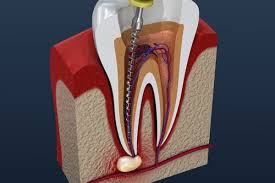
Root Canal Treatment
When you hear “root canal,” you might feel anxious. Many people think this treatment is painful and scary. However, modern dentistry has changed the game completely.
The truth is that a root canal doesn’t cause pain: it relieves it.
This procedure is a highly effective way to save a tooth that has been badly damaged or infected. Instead of extracting the tooth, which can cause more problems later, a root canal clears out the infection and allows you to keep your natural smile. If you have tooth pain, knowing about this common procedure is the first step toward relief.
What exactly is a root canal?
Air polishing is a professional dental hygiene procedure designed to deep clean teeth and remove surface stains. Unlike traditional scaling, which uses scraping tools, air polishing uses a specialized handpiece that delivers a controlled jet of compressed air, water, and fine powder particles.
Think of it as a “power wash” for your teeth, but gentle enough for the delicate environment of your mouth. The stream effectively blasts away plaque, soft deposits, and heavy discolouration that regular brushing simply cannot budge.
Signs you might need treatment
Sometimes, there are no symptoms at all, which is why regular dental checkups are so important. However, most patients notice specific warning signs indicating that the nerve inside the tooth is in trouble.
Common symptoms include:
- Severe pain while chewing or biting.
- Pimples on the gums (a sign of an abscess).
- Chipped or cracked teeth.
- Lingering sensitivity to hot or cold, even after the sensation has been removed.
- Swollen or tender gums.
- Deep decay or darkening of the gums.
If you notice any of these issues, it is crucial to see your dentist immediately. Ignoring the problem will not make it go away; the infection will likely spread.
The procedure: Step by step
Knowledge gaps bring fear. After understanding the steps, you feel more at ease. Here you can find a simple breakdown of how we help you heal:
- Numbing and Comfort: First and foremost, we take care of your comfort, and then we use local anaesthesia to numb the tooth and the surrounding area. You shouldn’t feel a thing during the procedure.
- Removing the Infection: A small opening is made in the top of the tooth to access the pulp chamber. Then infected or inflamed pulp is carefully removed.
- Cleaning and Shaping: After thoroughly cleaning the interior of the root canals to make sure no bacteria are left, the filling space is shaped.
- Filling and Sealing: Gutta-perch, a biocompatible substance, is filled in the empty space. This step seals the canals, and the chances of reinfection are less.
- Restoration: The tooth can be a bit brittle after the root canal. A crown or filling on top is placed to restore its full strength and function.
Recovery and Aftercare
After the procedure, your mouth will remain numb for a few hours. Most patients can return to work or school the next day. You might experience some sensitivity or mild discomfort for a few days, but this is typically manageable with over-the-counter pain relievers like ibuprofen.
Good oral hygiene is important for the health of your treated tooth. Brush twice a day, floss daily, and keep your regular dental cleanings.
Don't delay your relief
If you have tooth pain, delaying treatment can make it worse. A root canal is a safe, routine procedure with a very high success rate. It can help you get rid of infection, and the pain, and save your natural tooth for many years.
Contact our practice office today to schedule an evaluation and start living pain-free.