
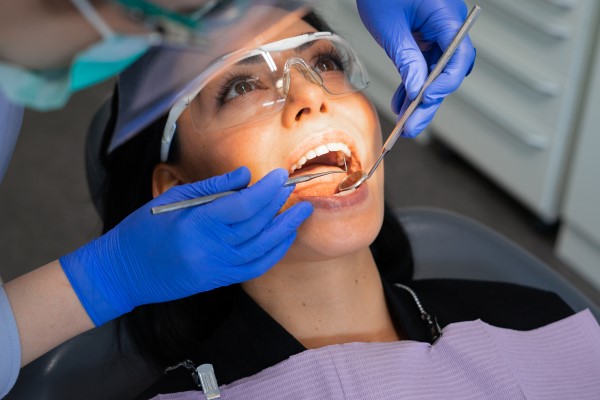
Routine Examination
Many people think that dental visits are necessary only when they experience dental pain. However, routine dental examinations are crucial for maintaining your oral health and, by extension, your overall well-being. These regular check-ups involve much more than just checking and cleaning your teeth; they are a fundamental aspect of preventive healthcare.
Treating your dental exam as an essential part of your health routine can save you from pain, complex procedures, and unnecessary expenses in the future. Let’s explore why these appointments are so important.
The Power of Prevention: More Than Just a Cleaning
The main benefit of a routine dental exam is prevention. Many dental problems, like cavities, gum disease, and even oral cancer, can begin with symptoms that are hard to notice. During your check-up, the dental team can find these issues early when treatment is easier and less invasive.
A typical visit includes a professional cleaning that removes plaque and tartar buildup that your home toothbrush can’t reach. This cleaning is important for preventing gingivitis, the first stage of gum disease. If left untreated, gingivitis can lead to more serious problems like periodontitis. By catching issues early, you protect your smile and prevent serious health problems associated with poor oral hygiene. What to Expect During Your Dental Exam
If it has been some time since your last check-up, understanding what to expect can help ease any anxiety you may have. A routine dental examination is a simple yet thorough process.
First, the dentist will conduct a comprehensive examination. This includes:
- Visual Inspection: Checking your teeth, gums, and mouth for any signs of decay, inflammation, or other abnormalities.
- Diagnostic X-rays: Taken regularly, X-rays allow the dentist to see what’s happening below the surface, including issues with your jaw, roots, and in between teeth.
- Oral Cancer Screening: A quick but crucial check of your tongue, cheeks, and the rest of the soft tissues for any unusual spots or sores.
- Gum Health Evaluation: Measuring the pockets between your teeth and gums to assess for any signs of gum disease.
Finally, your dentist will discuss their findings with you and recommend any necessary treatments. This is also your opportunity to ask questions and get personalised advice.
Often, a hygiene visit is booked at the same time as your check up. The hygienist will carefully remove hardened plaque (tartar) from around your gum line and between your teeth with specialized tools. This includes polishing to eliminate surface stains, leaving your teeth feeling smooth and looking bright.
Maintaining Your Smile Between Visits
Your efforts at home are just as important as your regular dental visits. To keep your mouth healthy between appointments, follow these simple yet effective tips:
- Brush Twice a Day: Use a soft-bristled toothbrush and fluoride toothpaste to brush your teeth for two minutes, twice daily.
- Floss or use Interdental cleaning aids Daily: Using cleaning aids removes food particles and plaque from between your teeth and beneath the gum line, areas that your toothbrush can’t reach.
- Eat a Balanced Diet: Limit sugary snacks and drinks, as they contribute to tooth decay. Instead, opt for smile-friendly foods, such as fruits, vegetables, and dairy products.
- Don’t Ignore Problems: If you experience tooth pain, bleeding gums, or any other concerns, do not wait for your next scheduled visit. Contact your dentist immediately.
Regular dental exams require a partnership between you and your dental team. By staying consistent with your check-ups and maintaining good oral hygiene habits at home, you are investing in a lifetime of healthy smiles.