
Scale and polishing now known as Professional Mechanical Plaque Removal
Many people brush twice a day and floss regularly, yet they often leave the dentist’s office with a recommendation for a scale and polish. It can be confusing. If you take good care of your teeth at home, why do you still need a professional cleaning? The truth is that even the most dedicated brushed misses spots. Over time, these missed areas build up deposits that a regular toothbrush cannot clean.
A scale and polish is more than just a deep clean; it helps prevent damage to your teeth and gums. This procedure removes hard deposits, helps fight bad breath, and keeps gum disease away, so your smile stays bright and healthy.
What Is a Scale and Polish?
A scale and polish is a professional cleaning treatment performed by a dentist or dental hygienist. It has two main steps to help make your teeth smooth and clean.
Scaling
Scaling removes hardened plaque, also called tartar or calculus. Plaque is a sticky layer of bacteria that builds up on teeth after eating. If you don’t brush it away, it hardens into tartar, which you can’t remove at home.
During scaling, the dentist uses special tools, like an ultrasonic scaler or hand tools, to gently scrape away tartar from the surfaces of your teeth and around the gum line. The ultrasonic scaler uses vibrations and a stream of water to break up the tartar, while hand tools are used for more detailed cleaning. Two main steps to help make your teeth smooth and clean.
Polishing
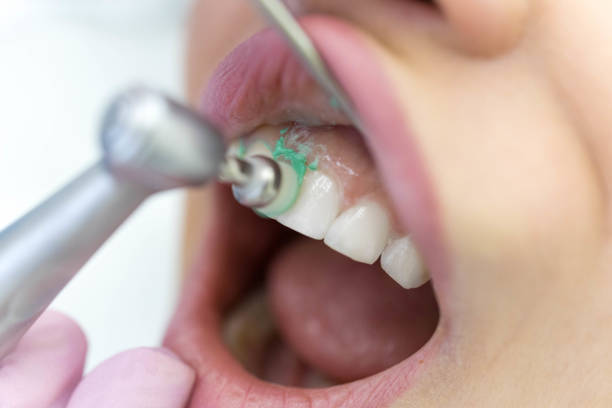
Once the scaling is complete, the polishing stage begins. This step removes surface stains caused by coffee, tea, wine, or tobacco. The dentist uses a rotating rubber cup or brush and a special gritty toothpaste (prophylaxis paste) to buff the teeth. This leaves the enamel smooth and shiny, making it harder for plaque to stick to your teeth in the future.
Why Is It Important?
Regular scaling and polishing offer benefits that go beyond aesthetics. Here is why this routine procedure is vital for oral health.
Prevention of Gum Disease
Gum disease starts when plaque builds up along the gum line, irritating the soft tissue. This causes redness, swelling, and bleeding. If untreated, it can progress to periodontitis, a more severe form of gum disease that damages the bone supporting the teeth. Regular scaling removes the bacterial buildup that causes this inflammation.
Fresher Breath
Chronic bad breath, or halitosis, is often caused by bacteria trapped in tartar buildup. Mouthwash and gum only mask the odor temporarily. By removing the source of the bacteria through scaling, you can achieve significantly fresher breath.
Protecting Overall Health
Oral health is closely linked to general health. Research suggests links between gum disease and other health issues, such as heart disease, diabetes, and stroke. Keeping your gums healthy through professional cleaning contributes to your overall well-being.
Saving Money
Preventative care is always less expensive than restorative treatments. By maintaining regular appointments for a scale and polish, you reduce the risk of developing cavities or severe gum disease, which require costly procedures like fillings, root canals, or extractions.
What to Expect During the Procedure
Many patients feel anxious about dental visits because they don’t know what to expect. A scale and polish is generally painless, but some may feel mild discomfort or sensitivity, especially if their gums are inflamed.
First, the dentist will check your mouth for signs of gum disease or other issues.
Next, during scaling, you might hear a high-pitched sound if they use an ultrasonic scaler, along with the feeling of water flushing in your mouth.
Then, polishing will feel like a ticklish vibration on your teeth, similar to an electric toothbrush but stronger.
After that, the dentist will floss between your teeth to remove any remaining debris.
If you have sensitive teeth, let your dentist know beforehand. They can apply a numbing gel to make the process more comfortable.
How Often Should You Get It Done?
The frequency of professional cleaning is based on your individual oral health. For most people, a scale and polish every six months is sufficient. However, if you have a history of gum disease or build up tartar quickly, your dentist might recommend visits every three to four months.
Keep Your Smile Bright
A scale and polish is a simple, effective way to maintain a healthy mouth and a confident smile. It works alongside your daily brushing and flossing routine, helping to clean the areas that are hard to reach.
Don’t wait for a toothache to see the dentist. If it has been a while since your last professional clean, book an appointment today. Your teeth and your health will thank you for it.