
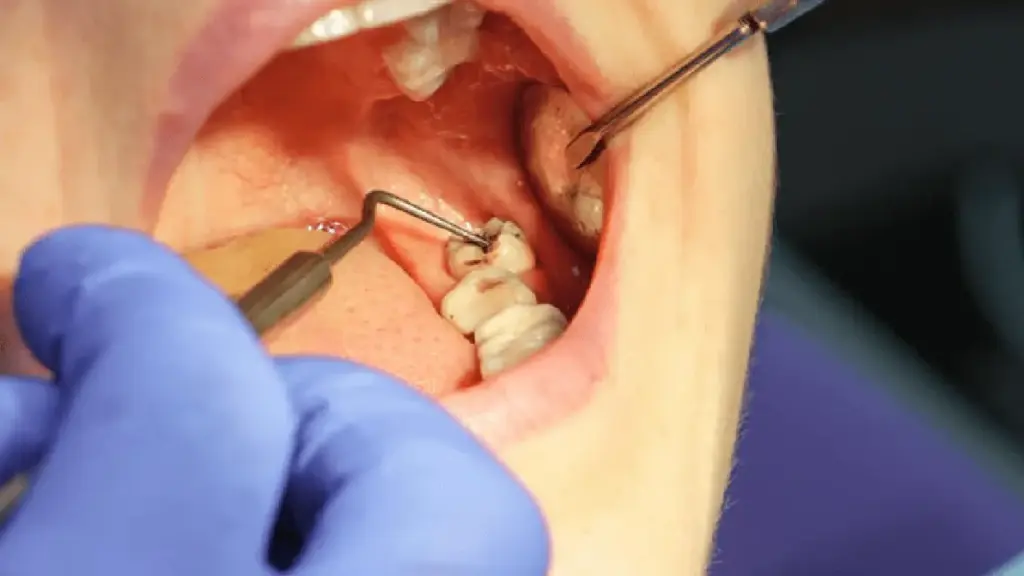
Wisdom Tooth Removal
Wisdom teeth, or third molars, often arrive late to the party, appearing between the ages of 17 and 25. For some, they emerge without issue, aligning perfectly with the rest of the smile. For many others, however, these late bloomers cause more trouble than they’re worth. Wisdom tooth removal is one of the most common oral surgeries performed today, and understanding the process can turn anxiety into confidence.
If you or your teenager is experiencing jaw pain or simply has been told it’s time for these teeth to go, you likely have questions. Let’s break down why removal is often necessary and how to navigate the road to recovery.
Why Do Wisdom Teeth Need to Be Removed?
The human jaw has evolved over time, becoming smaller than that of our ancestors. As a result, many modern jaws simply don’t have enough room to accommodate an extra set of molars. When wisdom teeth try to squeeze into a crowded space, several issues can arise:
- Impacted Teeth: When there isn’t enough room, the teeth may become trapped (impacted) within the jawbone or gums. This can cause significant pain and swelling.
- Damage to Nearby Teeth: As wisdom teeth push to erupt, they can press against the second molars, potentially damaging them or causing crowding issues that undo years of orthodontic work.
- Infection and Decay: Partially erupted wisdom teeth create hard-to-clean pockets where food and bacteria get trapped. This often leads to cavities or a painful gum infection known as peritonitis.
- Cysts: Fluid-filled sacs can form around impacted teeth, which may damage the jawbone and nerves if left untreated.
Because these problems can develop silently, dentists often recommend removing wisdom teeth as a preventive measure, even if they aren’t currently causing pain.
The Procedure: What to Expect
The thought of oral surgery can be daunting, but modern techniques make wisdom tooth removal a routine and manageable experience.
Before the procedure begins, your comfort is the top priority. Your dentist or oral surgeon will discuss anaesthesia options with you during a consultation. Depending on the complexity of the extraction and your level of anxiety, this might range from local anaesthesia (numbing the area) to sedation (helping you relax or sleep through the procedure).
Once you are comfortable, the dentist makes an incision in the gum tissue to expose the tooth and bone. If the tooth is impacted, it may be divided into smaller sections to make removal easier and less traumatic to the surrounding bone. After the tooth is removed, the site is cleaned, and stitches may be placed to help the gum heal.
The Road to Recovery: Aftercare Tips
Recovery time varies from person to person, but most patients return to their normal routines within a few days. The key to a smooth recovery lies in how well you care for yourself immediately after surgery.
Protecting the Blood Clot
After the extraction, a blood clot forms in the socket. This clot is vital for healing as it protects the underlying bone and nerves.
- Avoid Suction: For the first 24 to 48 hours, avoid using straws, smoking, or spitting vigorously. The suction can dislodge the clot, leading to a painful condition called “dry socket.”
- Keep Calm: Limit physical activity for the first couple of days to keep your blood pressure stable and reduce bleeding.
Managing Discomfort
Swelling and mild discomfort are normal.
- Ice Packs: Apply ice packs to the outside of your cheek for 15–20 minutes at a time to reduce swelling.
- Medication: Take prescribed painkillers or over-the-counter medication as directed by your dentist.
Eating and Hygiene
- Soft Diet: Stick to soft foods like yogurt, mashed potatoes, smoothies (no straw!), and apple sauce. Avoid hot foods and drinks while you are still numb.
- Keep it Clean: After 24 hours, gently rinse your mouth with warm salt water several times a day to reduce swelling and relieve pain. Do not brush the extraction site directly for the first day or two.
Wisdom tooth removal is a rite of passage for many, clearing the way for a healthier, pain-free mouth. By following your dentist’s instructions and giving your body time to heal, you’ll be back to smiling comfortably in no time.